

I was as angry at my parents as I remember ever being.
I screamed at them. Pounded away day and night.
Figuring I’d wear them down. Eventually, they’d relent.
They were destroying my life, I shouted, with their stupid plan of moving our family to Europe for a year.
Robbing me of my precious senior year at Amherst Regional High School.
Stealing my last opportuity to be with my friends, many I’d known since kindergarten.
How could they separate me from all I knew and loved at this pivotal time in my young life?
Then, there was my romance — the one I’d begun with Scott at the start of my junior year. By the time they told me about this intended move, I was marvelously happy in the most serious dating relationship I’d ever had.
Call it young love. But for me, it felt real, even everlasting, as young love sometimes does.
This move to Europe would break us apart.
It wasn’t fair. It wasn’t right.
To my way of thinking, my mom and dad’s meanness showed a lack of love for me.
I spun this peevish tune so often that after a while my parents didn’t bother to respond.
Why try? My petulance made rational discussion impossible.
I wasn’t listening until they said we weren’t going away. Or at least, I wasn’t.
Even when they sympathized with how I felt, I didn’t stick around to acknowledge their assurances that while I was sad now, I’d be okay.
Perhaps I’d even be happy.
I cried in my bedroom, then I recharged my anger for another round when I came out.
Seven years earlier, they’d moved all of us to a Boston suburb for my dad’s sabbatical at MIT. I was entering fifth grade then, and I did what my mom said I should do and packed what I wanted to take with me.
I made friends easily - building such a tight circle that as the school year ended I felt sad about moving back to Amherst.
It had all worked out. Seamlessly.
Now, seven years later, my dad was due for another year-long sabbatical from his job as a professor of finance at UMass Amherst.
The time the seven of us — two parents, five kids — would move again, and this time it wasn’t just an afternoon drive of 80 miles from where I’d lived for my entire life.
It was an ocean away. This time my parents and the family’s three younger kids would live in Oxford, England, where my dad would be affiliated with Jesus College.
With my sister, who is 11 months younger than I am, I’d live at a school somewhere in Europe. TBD.
This much I knew: Wherever we went, I’d be with classmates I’d never met and I’d live in a city I’d never lived in before.
And for the first time I’d be living without my parents with me. Growing up, I never went to sleep-away camp and at sleepovers I was often the only kid who called her mom in the middle of the night asking to be picked up.
As much as I was angry at them now, I didn’t know how I’d adapt to not living with them for a whole school year.
Yet, as these inevitabilities sunk in, I reckoned with the sadness I felt at all I was losing while trying to fortify myself for what I feared most about these changes I hadn’t asked for but I knew were heading my way.
Finding Home in Rome
Fast forward to early September, 1968.
My parents wave goodbye at Heathrow Airport as we board our flight to Rome.
There’d been plenty of crying and shouting the night before in our Oxford home. But by the time of our flight I was either too exhausted or resigned to my destiny that our goodbyes amounted to tight, lengthy hugs. And yes, tears.
That summer we’d spent a few days in Rome, and my parents drove us to have a look at this villa, a.k.a. our school. Instantly, I was entranced by its stunning burnt-orange stucco exterior and its mysterious turret amidst its forest with an inviting mix of tall trees. Lifeless in its summer haitus, I found it enchanting.
I hadn’t imagined a place like this being my school.
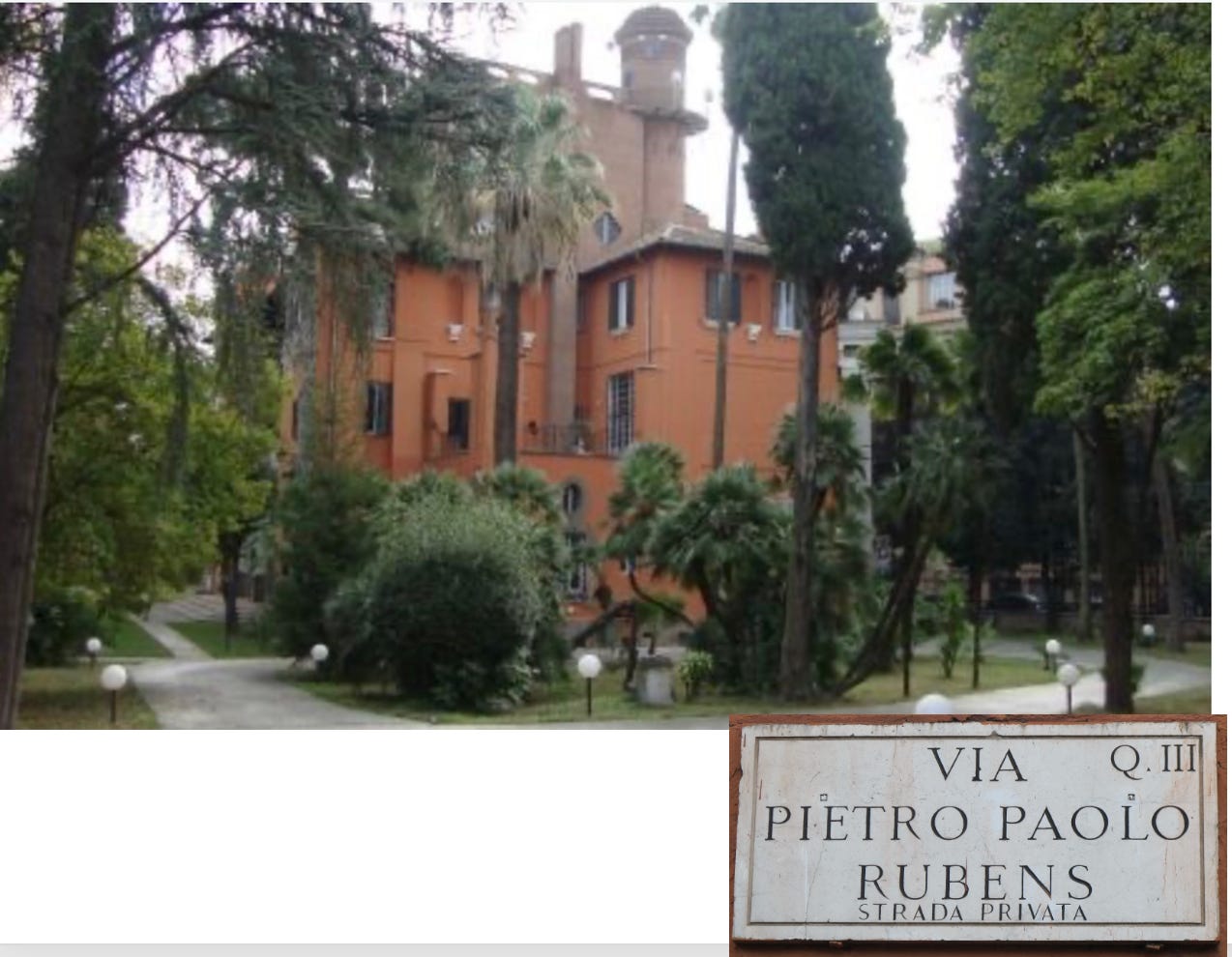
That glimpse turned out to be the spark of my forever love affair with Rome.
In that moment, I remember knowing that my parents were right. Happiness was possible, perhaps even likely, in a setting like this.
Of course, I didn’t share this thought with them.
Soon, our family seven squeezed ourselves and our luggage into our VW “hippie van” and we moved on from Rome on my parents’ well-planned, rapid-paced tour through several European countries.
They’d bicycled through Europe in 1950. On that trip they conceived their first child — me.
Now, they had five kids, ranging in age from 17 to 7, to entertain each day.
Only decades later would I appreciate all this entailed!
Here are a few highlights — and lowlights — solidified as memories:
My brother’s initial, painful symptoms of appendicitis happening at the tippy top of Hitler’s Eagle’s Nest, among the most inaccessible stops along our journey. That night my parents rushed him to emergency surgery at a Salzburg hospital after leaving the four of us at a motel outside the city. The next day we moved into the city and extended our stay in this charming place while he recovered.
My parents decision to send me and my sister by train to Paris from Munich. By loping off the older two, their daily task of keeping kids occupied got a whole lot easier. They sent us off with a date/time and place for us to meet, written on a piece of paper, and a copy of Europe on $5 a day. Enjoy the train trip — our first on our own, and Paris, they told us We did. When we reunited there, they met Serge, my Parisian boyfriend.
In mid-August we were in Prague, staying in a university dorm, on what turned out to be Czechoslovakian final day of its liberalizing Prague Spring. We drove West to Germany as Russian tanks rolled toward Prague for its invasion. A few days later I air-mailed to my hometown newspaper, The Amherst Record, a story I’d written about what it had been like in Prague only days before tanks arrived. My story was published a month or so later.
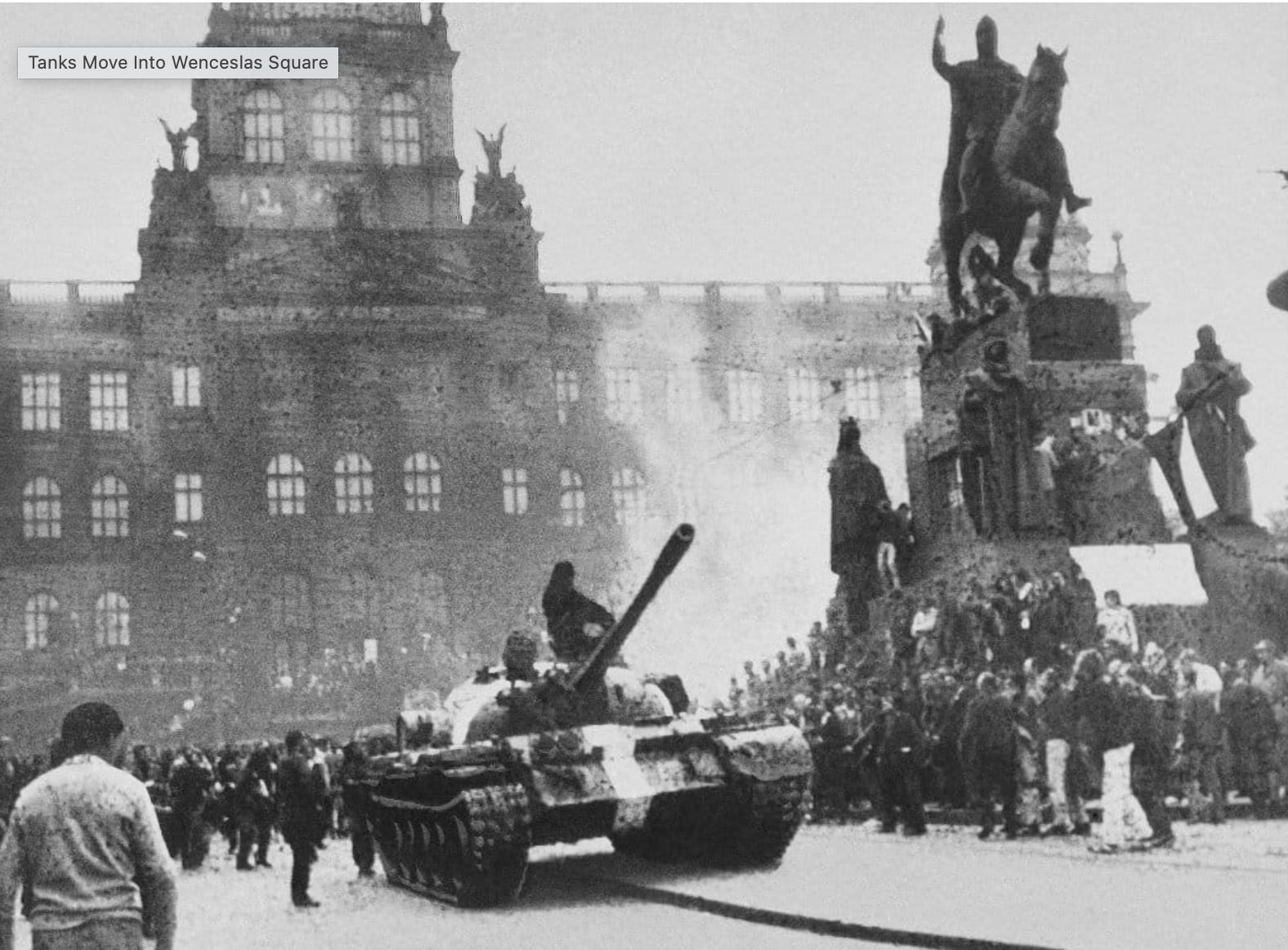
Unknowingly, in writing that story I’d launched what years later would be my career in journalism.
Just as unknown to me in the summer of 1968 was how massively — and wonderously — my life was about to change.
All because of a small private, foundationally religious school in Rome, Italy named St. Stephen’s School. A former Rector and Headmaster of Kent School in Connecticut, Father Patterson, an Episcopalian priest, realized his vision by creating a high school in Rome that would attract students from throughout the world to study in the center of Western Christendon.
St. Stephen’s School had welcomed its first class of students five years earlier. In those few years, both an Amherst neighbor (his dad on sabbatical) and my cousin had gone there.
Their love St. Stephen’s made our choice easy.
But as a public-school gal who spent her Sunday mornings at the Unitarian Meetinghouse, I knew I had a few adjustments ahead.
What I didn’t know is how easy those adjustments would be given how blissfully happy I was from the moment I walked up the steps of the Lord Bryon Hotel where female students were housed.
Wine and Whimsy
I don’t think I’d even unpacked when a herd of kids who’d been at St. Stephens let us newbies know that we were heading into Rome.
Maybe 8 to 10 of us got onto a city bus just down the hill from our dorms/hotels. Before I knew it, I was swept up in a welcoming adventure I’ve not forgotten. Those St. Stephen’s veterans signaled our departure from the bus after we’d cruised through the magnificent, circular Piazza del Popolo with its soaring obelisk and two large fountains of Neptune and the Four Lions and the 17th century twin Baroque churches marking the entrance to one of Rome’s grand streets, Via del Corso.
As if the scenery wasn’t breathtaking enough to tell me I’d landed in my own land of Oz, what happened next sealed this impression.
We found a sidewalk table outside of a restaurant on a side street off Via del Corso. A new friend helped me figure out what to order for my meal. But then, when the waiter came to take our orders, I heard these teenagers ordering two bottles of wine. Glasses soon arrived at our place settings, and soon wine was being poured as we waited for the food to arrive.
I could barely remember the names of everyone at the table and now — for the first time in my life — I was sipping wine at a restaurant table without anyone blinking an eye. I was 17 years old and as far as I knew wine was for adults. The few times I’d had much to drink in my high school years it had been beer. And all of us knew drinking beer was illegal for us to do.
Just like the marijuana I’d smoked in my junior year of high school in Amherst.
But wine. To be sipped with a meal. This act was way outside of what I’d thought was going to happen when I decided to go to St. Stephens.
Call me naive. Or just clueless. But I hadn’t wrapped my mind around European ways of living in which no age limit was attached to buying or drinking alcoholic beverages in public places.
So, I drank along with my new friends. And learned that day its name in Italian, vino.
I’d be ordering it again.
Coffee, which I’d only seen my parents’ drink after dinner at home, was soon a daily staple of my Roman life. One time after asking my mom for a sip of her coffee, I had decided that I so hated its taste (my parents drank theirs black) that I would never touch the stuff.
A week into my time at St. Stephen’s, I was at cafés ordering cappuccinos, then broadening my taste to lattes, Espresso Macchiatos, even the occasional straight up tiny cup of espresso, when the mood hit.
Cafés were also my viewing places on my nearly daily forays into Rome. My coffee resting on a table, I’d watch passer-bys while sipping. Or I might linger for a while to read a book. Or end up talking with stangers while staring at the figures on Bernini’s Fontana dei Quattro Fiumi some 50 feet away from me in Piazza Navona.
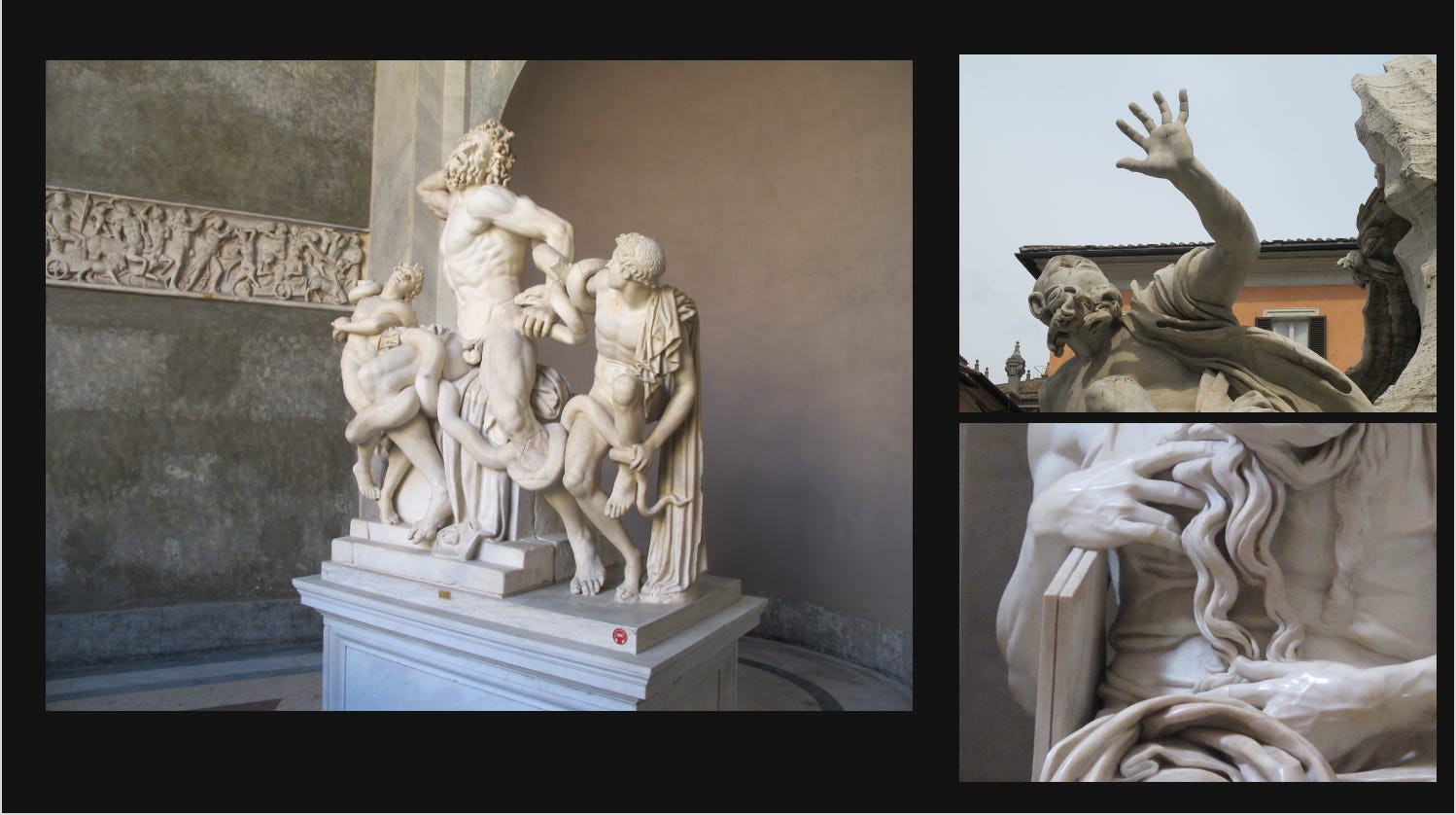
Or I’d cross the Tiber River to pay a quick visit to the ancient statue of Laocoön and His Sons, excavated in Rome in 1506 and housed in the Vatican Museum. In those days, I never waited in a line at this museum; today it’s entry lines wrap around its tall protective walls.
When I stood in front of this majestic sculpture, I’d always be alone, at least for a few seconds, since I had the time to wait for the few others who walked into this space to exit.
Or I’d bus to the Colosseum, then walk uphill to the Basilica of San Pietro in Vincoli where I’d marvel at the unfathomably expressive details Michelangelo carved into his Moses sculpture between 1513-1515.
Ditto the Pantheon, where its interior was my favorite circular walk, one I made sure to make each time I was near this ancient temple. Today, tickets bought in advance direct you to show up at time when you will wait in line until your time is called. Then, in a space so enormous that I’d feel alone even when others were there with me, you will be packed so tightly that you might even miss the chance to stand right next to Raphael’s Tomb, a sacred spot where I stopped each time I circled. So many times I stood by myself at his tomb and it was so quiet that I saw in my mind’s eye many of his paintings created in his 37 years of life.
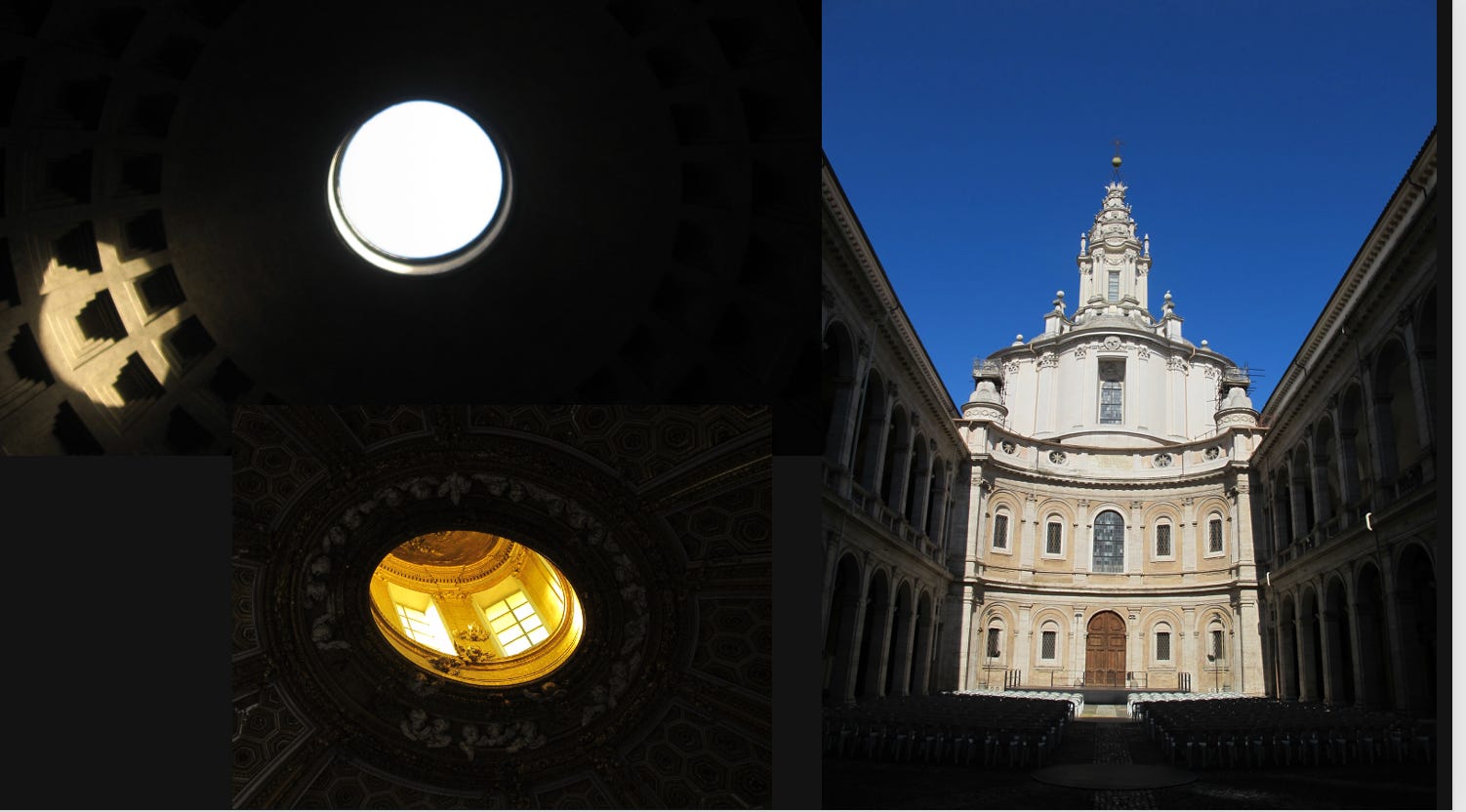
Oh, did I mention that I fell in love, all over again?
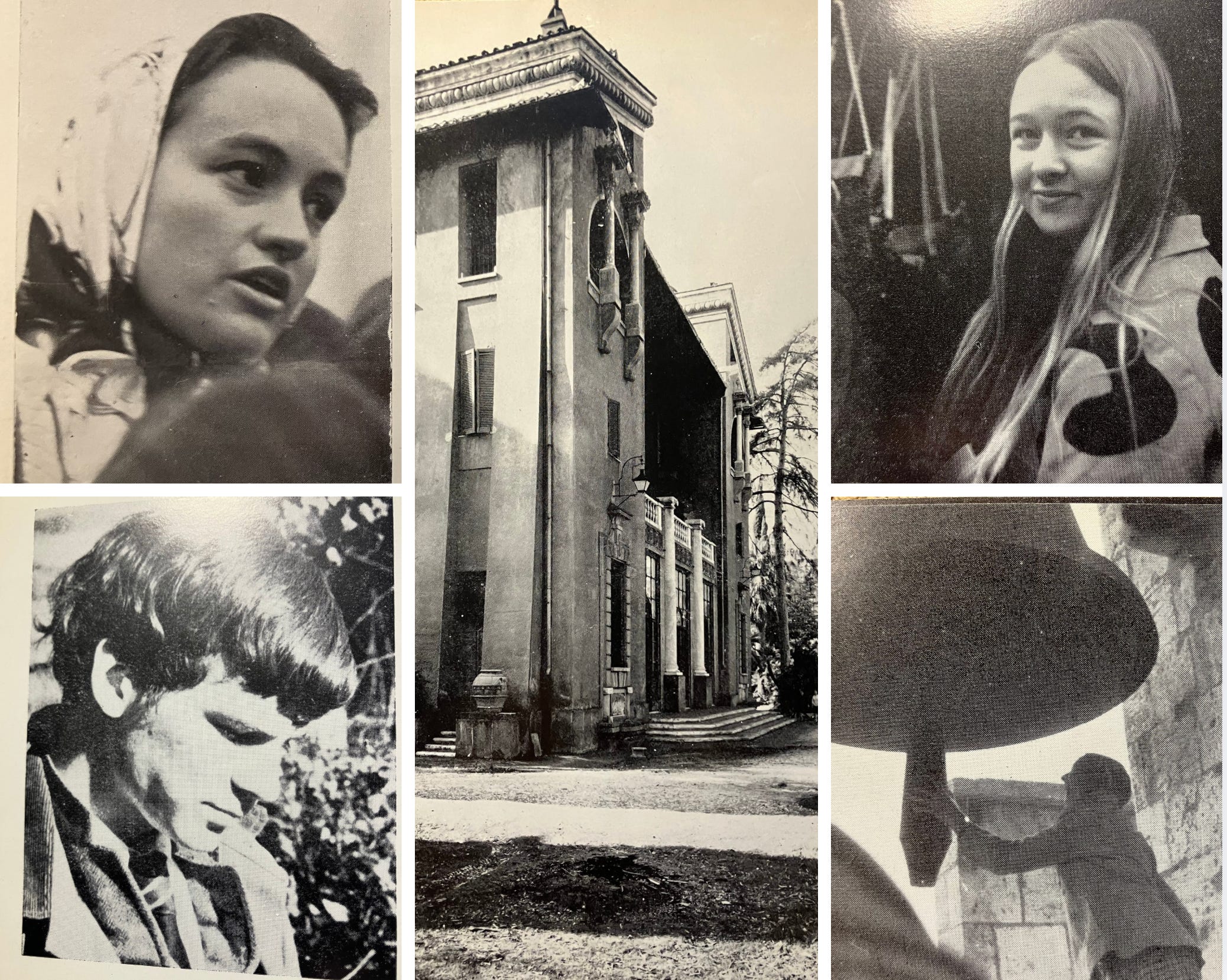
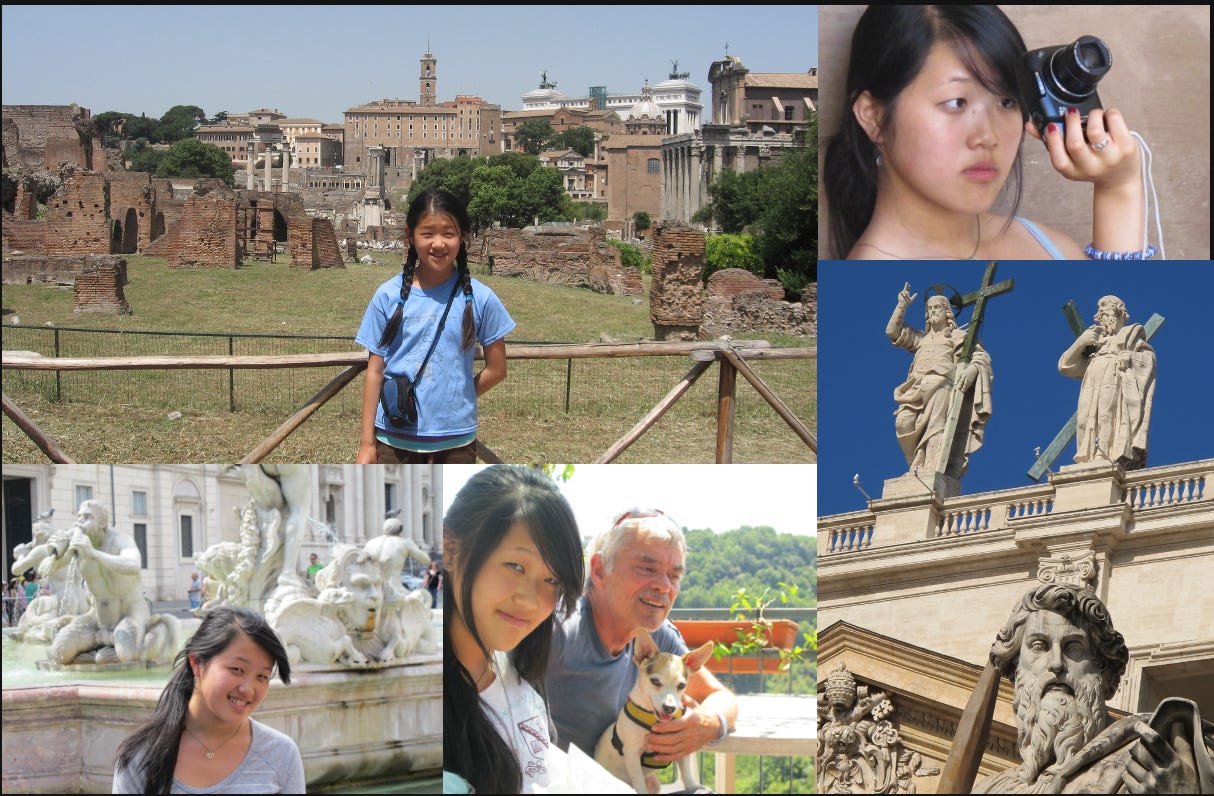
In the first month of school, David and I were cast in a play. (The St. Stephen’s photo of David is in my black-and-white collage, above.)
That play never happened, and I can’t remember why.
But our Roman romance did.
Our romance petered out in college but our lifelong friendship endures.
David had been at St. Stephen’s for his junior year and spoke Italian well enough for us to get around easily. I picked up the words I needed to be on my own in Italy1, but most of the time we were in Rome (and other places in Italy) together, a lot of the time with others from St. Stephens. He and I weren’t inseparable, but almost.
We just loved to explore the city together.
We’d linger in cafés. On weekends, we’d sometimes take a train to a hill town north of Rome. We ate all kinds of food at restaurants as varied as a German beer hall and an Afghani spot near the Vatican, where we sat on floor cushions eating at a low table. With Italian food, pasta, even then, was my go-to meal. Not far from Piazza Navona, down the winding narrow Via dei Banchi Nuovo, was our out-of-way, corner brick-oven pizza place where I fell in love with pizza ai funghi.
This was odd because in Amherst I’d hated mushrooms.
Rome taught me things I didn’t appreciate until years later
Most of what I experienced that year in Rome was odd when set against the backdrop of my 16 years of growing up in a rural American town.
I’ve written about the wine we ordered as teen-agers. Those glasses of wine were not only what I enjoyed drinking at meals, but being able to order wine and drink it, well that gave me a sense of responsibility I’d not had before.
I don’t recall ever getting drunk when I was in Rome when I was 17. I do remember a few mornings at younger ages when drinking too many beers too quickly resulted in me vomiting that night, then not feeling so good when I awoke.
Never had that feeling in Rome.
That’s just one way Rome affected me.
Living in this city’s artistic culture, walking by buildings older than any history I’d studied up until them, I dipped into churches because they were there. With Georgina Masson’s Companion Guide to Rome (1965) always with me, I walked out of those churches and palazzos with understandings about which I didn’t have a clue when I’d walked in.
Even the names of gelato flavors hooked me, as did this treat. I’d order Stracciatella if only to hear the word flow out of me. I treasured my trips to post offices where I’d hear myself say francobolli when asking for stamps. I looked forward to those times when I needed to use the bathroom, if only to ask, Dov’è il gabinetto, though I knew the locals said Dov’è il bagno. I liked using hearing myself say those longer words. Almost made me feel like I could speak Italian.
Rome crept into my soul, inhabiting it before I think I realized I have a soul. It didn’t do this in a religious way given that our mandatory Wednesday morning Episcopalian masses did much less to transform me than did my endless wanderings in Rome.
Curiosity compelled me to explore places that had I been a tourist, not a year-long resident, I’d never have gone. In some cases, my art history teacher Franca Camiz assigned me visits to places I wouldn’t have found on my own.
It’s not these Roman places that taught me the most valuable lesson I took away from my year there. That lesson is to let curiosity drive my life. To learn not to fear what I don’t know, thereby sticking close by what I already know. Rather, to embrace the possibilities that expand with exploration and learning.
That, after all, was a lesson my parents were trying to impart when that stubborn daughter of theirs could only scream at them.
Maybe without my Prague story being published. Or without the curiosity I nurtured in that year in Rome I would not have tumbled into living the most fulfilling, joyful life I could imagine living — as a journalist.
Centering curiosity at the core of my life.
For being a journalist is really nothing more than acting as a curious person, one who keeps asking questions, then verifies that what she’d heard is accurate, and then gets around to sharing with others what she learned.
Rome’s slower pace also urged on my moments of reflection, usually at sidewalk tables festooned with freshly made snacks — and coffee, of course. And in my wanderings into dark church interiors I discovered that by dropping a coin into a machine I’d light up a side chapel with Caravaggio’s paintings on its walls.
And feast my eyes upon them.
There’s always that light that opens up a wider, brighter vista. We just need to give ourselves the chance to find it.
Rome did this for me. It invited me into la dolce vita, then went a step further in showing that impressionable 17-year-old how the miraculous touches of human achievement speak to the value of living a meaningful life.
Of leaving a mark, whatever yours may be, on this world we inhabit. And hopefully help.
I absorbed these messages at a young age because my parents insisted that I was going away, despite my protestations, and told me that I might enjoy a different way of being.
They were right, but I regret never telling them this, in this way, when they were alive to hear me say it. I think it would have mattered if I did.
Or maybe they just knew from the person they saw I was after Rome. I hope they did.
Writing this essay today reminds me to keep living my sweet and meaningful life in whatever ways I can.
But more than that, Rome is always urging me to share its wonders with those I love.
As I did my daughter, Maya, twice, once when we traveled to several Italian cities in 2007, then four years later in 2011, when I enrolled Maya in an intensive two-week History of the Renaissance course at St. Stephen’s School. I rented an apartment in Rome while she boarded at the new St. Stephen’s School that I saw for the first time.
That time in 2011 turned out to be when my mom died after Alzheimer’s had stolen who she was. I answered my phone when Maya and I were eating pizza at a sidewalk table in Rome. That afternoon I’d taken Maya to see the villa where St. Stephen School was when I was a student. By now, it was the Bulgarian Embassy and its gates were locked. So, with Maya next to me, we peered inside.
Just as my mom did with me in the summer of 1968.
Rome in my future
I’ll be back. Not sure when. But when I go I’m hoping to settle in for a few months, hopefully trading my place in Cambridge for a home in Rome. Inviting friends to visit. And visiting my St. Stephen’s friends who call Italy their home. Maybe Maya and her husband Matthew will join me for a while as they explore Rome. Or use my home as a base to travel for a while in Italy, as I intend to do.
While my curiosity ought to beckon me to explore places I’ve never been, Rome calls me back, encouraging me to discover more of its hidden treasures, the ones that only those who linger long will find.
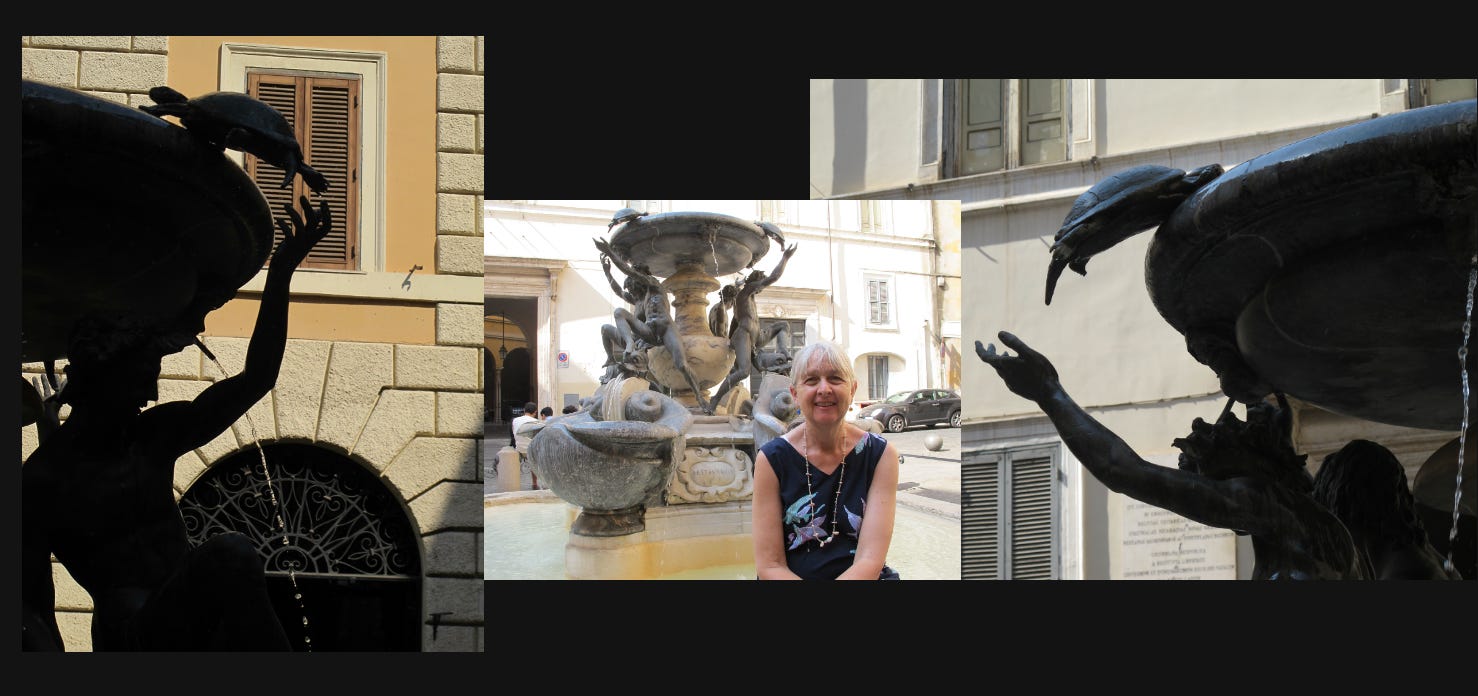
Like this gem of a fountain in the tiny, cobblestoned Piazza Mattei in the Sant'Angelo district, in Rome’s historic Jewish Ghetto, which is a short walk from Campo di Fiori.
Fontana delle Tartarughe is a late Renaissance creation, and it’s where I go soon after I return to Rome. I always tell friends traveling to Rome not to miss it.
It’s not among Rome’s famous fountains. Its designer isn’t an artist whose name you or I would recognize. But each time I see its turtles, a mid-17th century addition, tipping into that space of nothingness between them and the outstretched hands, I’m grounded in Rome in ways the Trevi Fountain never can ground me.
I came upon this fountain by accident one day in 1969, in the spring of my senior year of high school when leaving Rome hung heavy in my mind.
To return to this piazza is to know that the person I became in that precious year in Rome has come home.
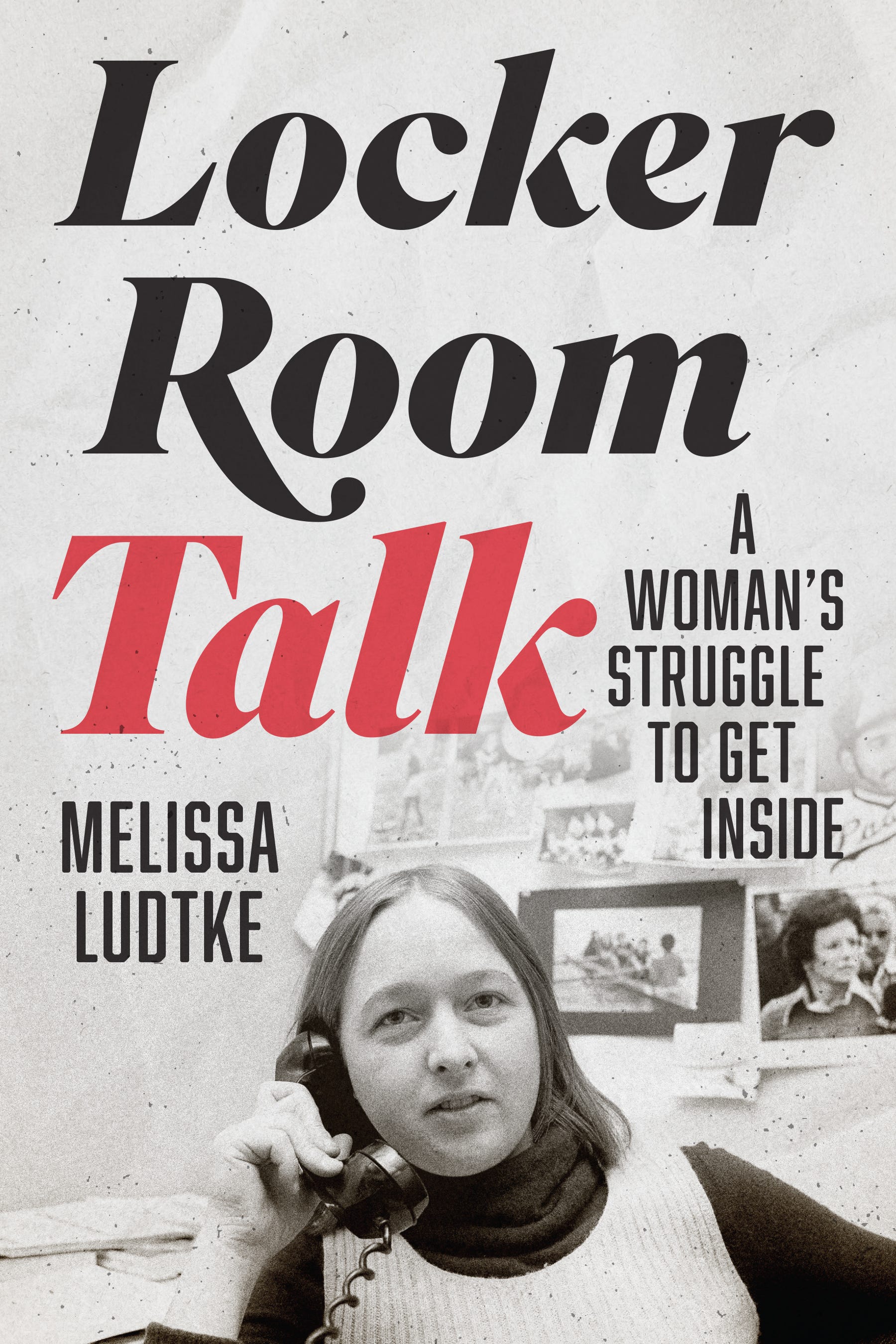
For a more contemporary passage through my life, you can always turn here:
I studied French, not Italian, at St. Stephen’s since I’d taken French in school since 9th grade. That was a mistake. I should have signed up to study Italian.
This is lovely, Melissa! The magic of St. Stephen's and Rome is inextricable for so many of us.
Melissa, wonderful memoir. A dear college friend who’s now 1/2 time on the cape — his dad taught at umass for years. A colleague? Name Grose.